Thinking about moving up in Toronto, but not sure where more space, privacy, and long-term value come together? St. Andrew-Windfields stands out for buyers who want a more established North York setting, a wider range of ground-related homes, and access to key transit and highway routes. If you are weighing whether this neighborhood fits your next chapter, this guide will help you understand the housing mix, commute patterns, budget realities, and trade-offs that matter most. Let’s dive in.
Why St. Andrew-Windfields Appeals
St. Andrew-Windfields is an established North York neighborhood with long-standing character. According to the City of Toronto’s neighbourhood profile overview, it is a planning geography rather than a rigid informal boundary, which is helpful to keep in mind as you compare nearby pockets.
For move-up buyers, that established identity matters. This is not a neighborhood usually framed as a redevelopment story. Instead, it is better understood as a mature residential area where larger homes, winding streets, and a more low-rise setting can offer a noticeable lifestyle shift from a condo, smaller city home, or higher-density neighborhood.
Housing Options for Move-Up Buyers
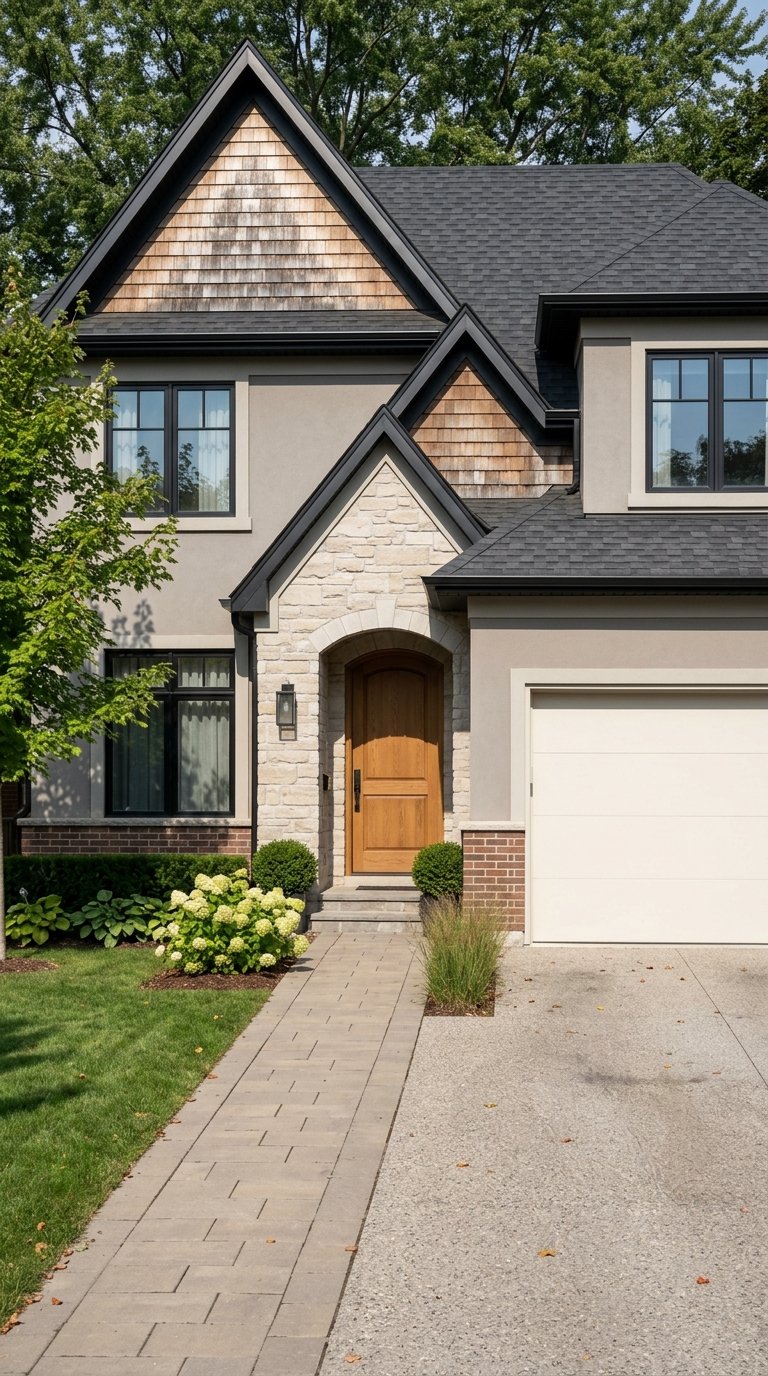
One of the biggest reasons buyers look at St. Andrew-Windfields is the housing stock. The area is known for a layered built form that includes split-level homes, bungalows, and larger decorative houses set among curving streets and parkland, based on City heritage and planning material for the Windfields and York Mills area.
That same City material also notes estate-style characteristics in parts of the area, including large frontages, deeper setbacks, circular driveways, and landscaped grounds. If you are moving up for more privacy, more outdoor space, or simply a stronger sense of separation from neighboring homes, that can be a major draw.
The numbers also support that low-rise, ownership-oriented feel. In the 2016 City neighbourhood profile for St. Andrew-Windfields, 47% of occupied private dwellings were single-detached homes, and owner households significantly outnumbered renter households.
What the housing mix means for you
If you are shopping for more space, the interior streets are often where detached and semi-detached options shape the character of the neighborhood. If you want a lower-maintenance move-up option, condo and low-rise apartment choices are more likely along the major corridors.
That creates flexibility for different kinds of move-up buyers. You may be ready for a larger detached property now, or you may prefer a condo in the same broader area as a stepping stone into the neighborhood.
What Daily Life Feels Like
St. Andrew-Windfields often suits buyers who want a more residential atmosphere without giving up city access. The neighborhood’s low-rise form and lot-driven layout can feel quite different from denser parts of Toronto.
At the same time, this is not always the kind of area where every daily errand is done on foot. The spread-out streetscape and corridor-based amenities often make driving part of the routine, especially for busy households balancing work, activities, and errands.
Transit and road access
Transit access is strongest at the edges. York Mills Station connects to Line 1 and includes the York Mills GO Bus Terminal, while the broader area also benefits from subway access near Bayview and connections along key routes.
For drivers, the location south of Highway 401 and near major north-south arteries is a practical advantage, based on City planning descriptions of the area. In real terms, many buyers see the appeal in having both options: the ability to drive efficiently across the city and the ability to use the subway for certain trips.
Budget Realities to Know
For most buyers, the biggest adjustment is financial. St. Andrew-Windfields is a premium North York market, and the pricing reflects that.
A March 2026 market trend report for St. Andrew-Windfields estimated the average house price at $2,422,480, with 72 new listings in the prior 56 days. For context, TRREB reported a 2025 GTA average selling price of $1,067,968, which shows how far above the broader regional market this neighborhood can sit.
That does not mean it is out of reach for every move-up buyer. It does mean you should enter the process with a clear understanding of your ceiling, your monthly carrying costs, and the trade-offs you are comfortable making.
Costs beyond the purchase price
If you are moving from a smaller home or condo, the payment jump may not be limited to the mortgage. Larger properties can also mean higher property taxes, more maintenance, and bigger renovation budgets, especially if you are buying an older home with character and larger lot features.
The City’s 2016 neighborhood profile also showed that 46.8% of households were spending 30% or more of income on shelter costs, and 57.5% of owner households had a mortgage. Those figures reinforce an important point: this is a neighborhood where planning your carrying costs carefully matters.
Trade-Offs Move-Up Buyers Should Weigh
No neighborhood is perfect for every buyer. St. Andrew-Windfields tends to work best when you are clear on what you are upgrading for and what compromises you are willing to accept.
If your top priorities are more indoor space, more lot depth, a more established streetscape, and a premium North York address, this area can make a strong case. If your top priority is a fully walkable, high-density urban lifestyle, you may find the low-rise layout less convenient for daily routines.
Pros to keep in mind
- More ground-related housing than many Toronto neighborhoods
- Established residential character rather than a newer redevelopment feel
- A mix of detached homes, semi-detached homes, and corridor condo options
- Access to subway connections and convenient road links
- Strong appeal for buyers seeking privacy, larger lots, and a more refined move-up setting
Challenges to plan for
- Higher-than-average purchase prices compared with the broader GTA
- Carrying costs that can rise quickly on larger homes
- Older housing stock may require more due diligence and renovation planning
- Daily life may depend more on driving than in denser urban neighborhoods
Who St. Andrew-Windfields Fits Best
This neighborhood is often a good match if you already own and want your next home to solve a space or lifestyle problem. That could mean moving from a condo, a smaller Toronto house, or a higher-density suburban setting into a more residential environment with room to grow.
It can also work well if you are balancing lifestyle with long-term positioning. Buyers who value established streets, ownership-oriented housing, and the ability to move into a premium North York enclave often see St. Andrew-Windfields as a meaningful step up.
How to Buy Strategically Here
In a premium neighborhood, clarity matters. You want to understand not just what you can buy, but what kind of move makes sense for your finances, timeline, and lifestyle.
A smart approach usually starts with a few key questions:
- Do you want a turnkey home or a property with renovation upside?
- Is lot size more important than interior finishes?
- Would a corridor condo help you enter the area sooner with less maintenance?
- How much monthly flexibility do you want after closing?
- Which commute pattern fits your day-to-day life best?
When you answer those questions early, your search becomes more focused. That is especially important in a neighborhood where pricing, property condition, and location within the area can all shift your experience significantly.
If you are considering a move into St. Andrew-Windfields, working with calm, clear guidance can make the process feel much more manageable. Sarah Fangrad brings a strategic, client-first approach to buying in Toronto’s high-value neighborhoods, helping you assess the right fit, weigh trade-offs, and move forward with confidence.
FAQs
Is St. Andrew-Windfields a good neighborhood for move-up buyers in Toronto?
- Yes. It is especially appealing if you want more space, a more established residential setting, and access to detached or semi-detached homes in North York.
What types of homes are common in St. Andrew-Windfields?
- The area is heavily ground-related, with many single-detached homes, plus some semi-detached homes, row houses, duplexes, low-rise apartments, and corridor condo options.
How expensive is St. Andrew-Windfields compared with the GTA?
- It is considered a premium market. A March 2026 report estimated the average house price at $2,422,480, well above the 2025 GTA average selling price reported by TRREB.
Is transit convenient in St. Andrew-Windfields for Toronto commuters?
- Transit is available, especially near York Mills Station and corridor routes, but many households may still rely on driving for day-to-day errands and access.
What should buyers budget for in St. Andrew-Windfields beyond the purchase price?
- You should plan for carrying costs such as mortgage payments, property taxes, maintenance, and possible renovation expenses, especially when buying larger or older homes.
Are there condo options in St. Andrew-Windfields for move-up buyers?
- Yes. While the neighborhood is known for ground-related homes, condo and low-rise apartment options are more likely near the major corridors for buyers seeking lower maintenance.