If you are looking for a Toronto neighborhood that feels established, green, and quietly elegant, The Kingsway often stands out right away. You may be wondering whether it lives up to its reputation and what daily life there actually feels like once you move beyond the headlines. In this guide, you will get a clear picture of the streetscape, homes, amenities, outdoor access, and transit connections that shape life in this west-end enclave. Let’s dive in.
The Kingsway at a glance
The Kingsway is known for a polished residential feel that comes from thoughtful planning, mature landscaping, and a strong sense of place. The City of Toronto classifies this area as Kingsway South (15), and its identity is closely tied to Robert Home Smith’s Humber Valley Surveys and a planned garden-suburb vision that aimed to preserve the Humber Valley landscape and create a cohesive residential district. You can see that planning story reflected in the neighborhood’s layout and long-standing character, according to the City of Toronto’s neighborhood information.
That early planning still shapes how the area feels today. The Kingsway Park heritage plan describes a stable residential district where streets, landscaping, and housing patterns were designed to work together, with roads laid out to avoid a corridor feel and tree-lined streets forming a defining feature of the community.
Streets feel calm and established
One of the first things many people notice about The Kingsway is how shaded and composed it feels. The heritage plan notes that many of the street trees are more than 100 years old, which helps explain the neighborhood’s mature, settled atmosphere.
This is not a condo-heavy or intensely mixed-use part of Toronto. Historically, zoning in the area favored single-detached houses, and the heritage plan describes Kingsway Park as a low-density residential area. For you, that often translates into quieter streets, more visual consistency, and a stronger sense of separation from busier commercial corridors.
Homes have strong architectural character
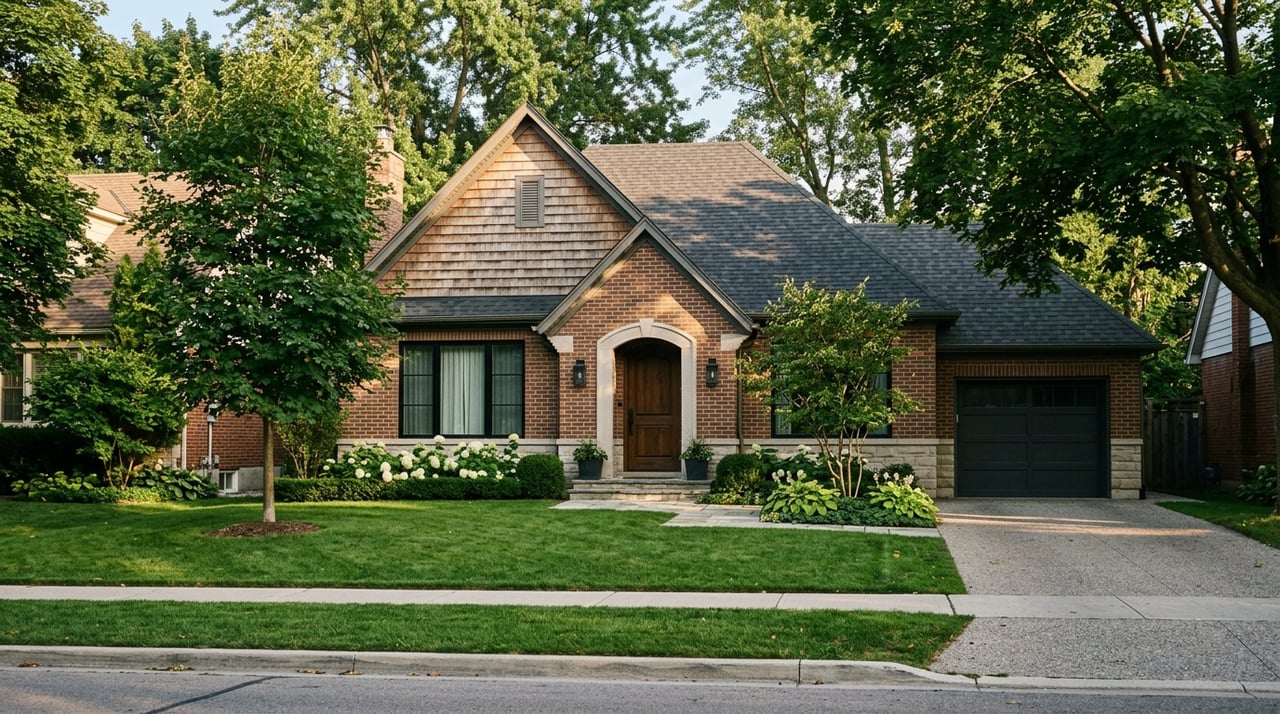
If architectural charm matters to you, The Kingsway has a lot to offer. The area includes classical styles such as Georgian, American Colonial, and French Renaissance Revival, along with nonclassical styles like Tudor, Old English Tudor, Norman, English Cottage, and English Freestyle, as described in the heritage planning documents.
You will also find details tied to Arts and Crafts design, including steep roofs, tall chimneys, river stone, stucco, half-timbering, and leaded or small-paned windows. These are the kinds of features that give the neighborhood a lasting visual identity rather than a trend-driven look.
Some of the area’s most notable homes sit along the ridge overlooking the Humber River Valley. A City heritage notice for 35 Kingsway Crescent describes grand estate houses framed by mature trees, shrubs, and broad lawns, creating a picturesque setting that helps explain why the neighborhood is often associated with established west Toronto prestige.
Daily life centers on local convenience
Living in The Kingsway is not only about architecture and quiet streets. It is also about having a practical, walkable commercial area nearby for day-to-day routines.
The Kingsway BIA serves as the neighborhood’s commercial spine. The City describes it as a mix of specialty shops, restaurants, pubs and cafes, a preserved theatre, and professional and medical services, along with year-round events that bring people together. You can explore that overview through the City’s Kingsway BIA page.
For you as a resident, that often means errands, coffee stops, casual dining, and appointments can feel more local and convenient. Instead of relying only on larger retail nodes, you have a village-style main street environment woven into a primarily residential setting.
Outdoor access is a major lifestyle draw
One of The Kingsway’s biggest strengths is how closely it connects to green space. If you value walking, jogging, cycling, or simply spending time outdoors, the neighborhood’s access to the Humber Valley is a major part of its appeal.
The Humber River Recreation Trail follows the historic Humber River and includes many access points and parks along the way. That makes it easier to build outdoor routines into everyday life rather than saving them for occasional weekend outings.
Nearby James Gardens is especially notable. The City describes it as a park known for formal gardens, stone pathways, natural spring-fed pools, streams, mature trees, and wildlife, with proximity to the Humber River and Lambton Woods.
That combination helps shape a lifestyle that feels balanced. You can enjoy an established residential setting while still having meaningful access to trails, gardens, and natural scenery close to home.
Getting around is relatively straightforward
A common question about The Kingsway is whether it feels too removed from the rest of Toronto. In practice, the area offers several useful transit connections, especially for east-west travel.
Residents have access to nearby Line 2 subway stations including Royal York, Old Mill, and Islington. The TTC’s Royal York Station page confirms the station’s location on the Bloor-Danforth corridor, which supports direct subway access toward downtown Toronto.
The area has also seen public-realm and safety improvements. In 2022, the City reconstructed The Kingsway from Lambeth Road to Dundas Street West, adding missing sidewalks, dedicated cycling infrastructure, and safer pedestrian crossings at the Kingsway and Dundas intersection, according to the City’s project page.
That is helpful context if you want a neighborhood that supports more than one way of getting around. While many residents may still drive, the area also offers practical options for walking, cycling, and transit use.
What the neighborhood feels like
The Kingsway tends to feel composed rather than flashy. Its appeal comes from mature streets, established homes, a clear planning identity, and a commercial area that supports daily life without overwhelming the residential core.
If you are comparing Toronto neighborhoods, The Kingsway can feel more residential and park-like than trend-focused districts. At the same time, it offers more built-in amenities and transit access than a purely suburban setting. That balance is a big reason it continues to attract buyers who want character, greenery, and convenience in one place.
Who The Kingsway may suit
The neighborhood may be a strong fit for you if you are looking for:
- A low-density residential setting
- Established detached homes with architectural detail
- Tree-lined streets and mature landscaping
- Nearby shops, cafes, and services for daily routines
- Access to trails, gardens, and green space
- Subway connections to other parts of Toronto
It may especially appeal if you value calm surroundings, enduring design, and a neighborhood that feels carefully shaped over time.
Final thoughts on living in The Kingsway
Living in The Kingsway often means choosing a neighborhood with lasting character. Its garden-suburb roots, heritage architecture, village-style shopping area, and access to the Humber River corridor create a lifestyle that feels both refined and practical.
If you are considering a move to The Kingsway and want clear guidance on homes, pricing, or how the neighborhood compares with other west Toronto options, Sarah Fangrad can help you navigate the process with calm, strategic support.
FAQs
What is The Kingsway neighborhood in Toronto known for?
- The Kingsway is known for its tree-lined streets, established detached homes, heritage architecture, and planned garden-suburb character rooted in the Humber Valley Surveys.
What kind of homes are common in The Kingsway?
- Homes in The Kingsway are primarily established detached houses, with styles that include Georgian, American Colonial, French Renaissance Revival, Tudor, English Cottage, and Arts and Crafts influences.
What is daily life like in The Kingsway for errands and dining?
- Daily life often centers around The Kingsway BIA, where you will find specialty shops, restaurants, cafes, pubs, a preserved theatre, and professional and medical services.
What outdoor amenities are near The Kingsway?
- The area offers access to the Humber River Recreation Trail, James Gardens, and nearby natural spaces connected to the Humber Valley and Lambton Woods.
How do residents of The Kingsway get to downtown Toronto?
- Many residents use nearby Line 2 subway stations such as Royal York, Old Mill, and Islington for direct east-west transit access toward downtown Toronto.